
Additional Conditions
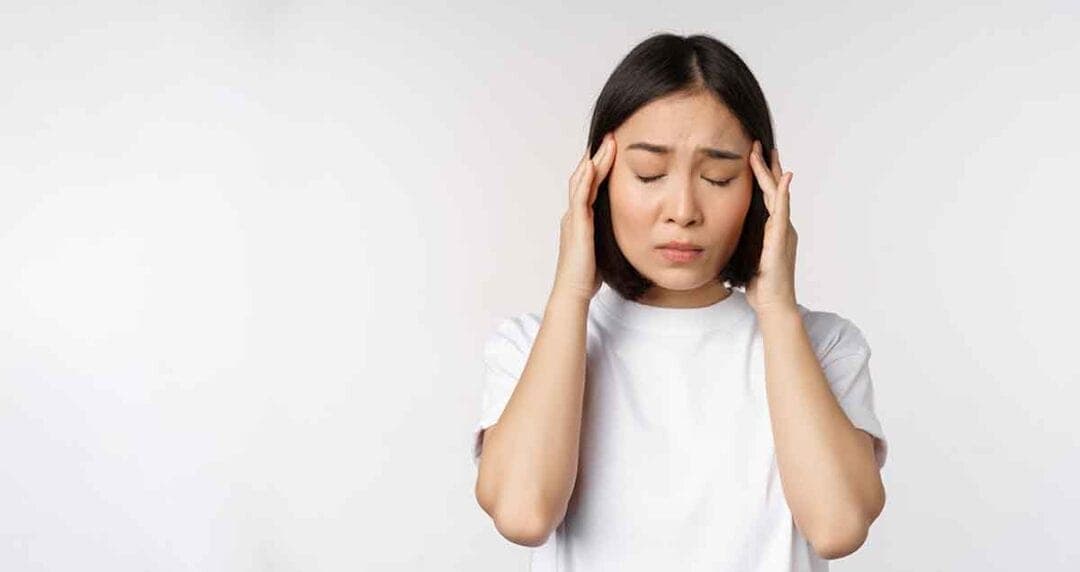
Headaches (Cephalgia)
Cervicogenic headaches, migraines, tension headaches, and occipital neuralgia, evaluated for interventional treatment when appropriate.
3
Diagnoses
6
Treatments
2
FAQs
SCOPES
Non-Opioid
Condition Definition
Common Causes
Typical Symptoms
SCOPES Clinical Approach
Recommended Treatments
Frequently Asked Questions
What is a cervicogenic headache?
A headache referred from cervical spine structures, often worsened by neck posture or movement.
Can nerve blocks help headaches?
Yes, when nerve irritation is the driver. Occipital and cervical diagnostic/therapeutic blocks can provide meaningful relief.
Medical disclaimer: This page provides general information and is not medical advice. It does not replace an evaluation by a qualified physician. Talk with a doctor about your specific condition and treatment options. If you are experiencing a medical emergency, call 911.
Need Guidance?
Talk With a SCOPES Specialist
Tell us your symptoms and we will build a personalized, non-opioid care plan.
Back to all conditions