
Lower Extremity
Hip Pain
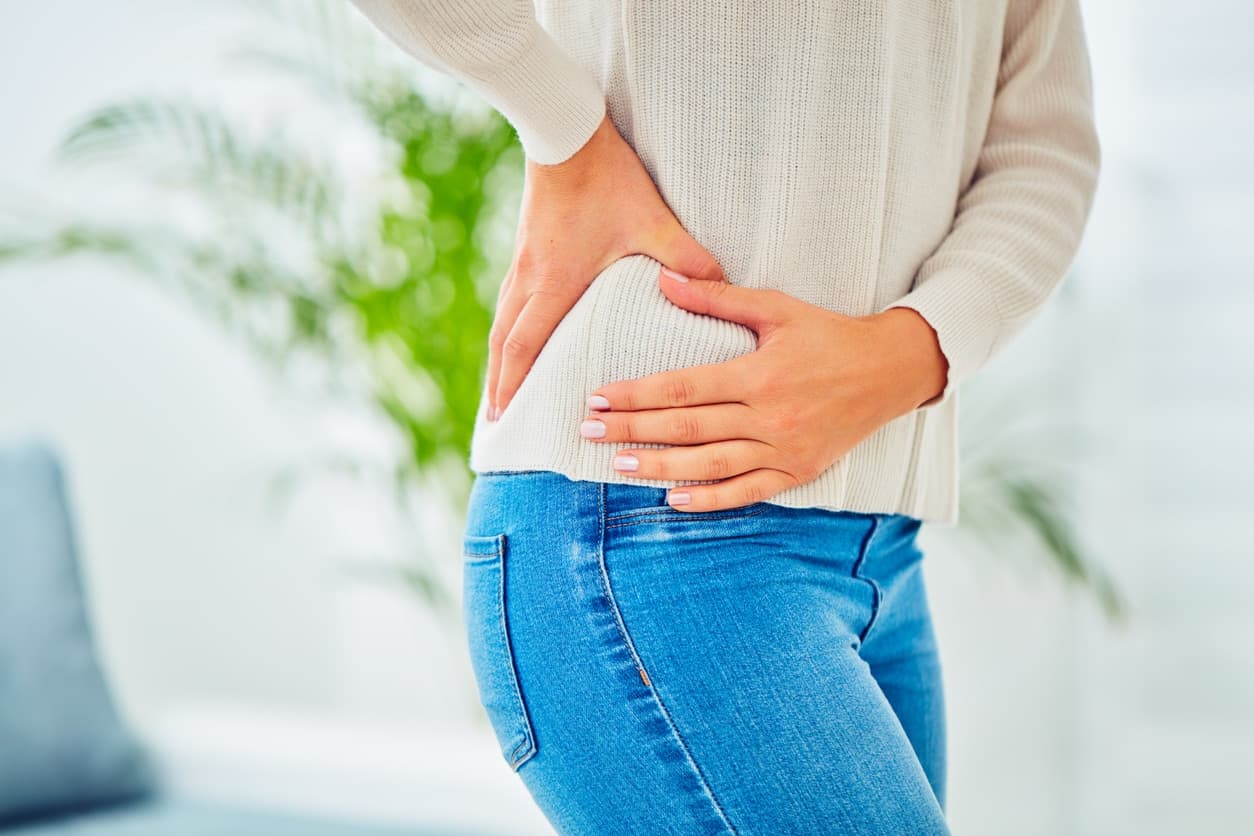
Osteoarthritis, bursitis, labral tears, and hip impingement, with treatment matched to what imaging and examination confirm.
3
Diagnoses
6
Treatments
2
FAQs
SCOPES
Non-Opioid
Condition Definition
Common Causes
Typical Symptoms
SCOPES Clinical Approach
Recommended Treatments
Frequently Asked Questions
How do I know if pain is from hip joint or back?
Groin pain with painful internal hip rotation often suggests hip-joint pathology, while buttock-dominant radiating pain may be lumbar/SI-related. Diagnostic injections can clarify.
Is hip replacement the only option for osteoarthritis?
No. Interventional options including targeted injections can meaningfully reduce pain and improve function before surgery is considered.
Medical disclaimer: This page provides general information and is not medical advice. It does not replace an evaluation by a qualified physician. Talk with a doctor about your specific condition and treatment options. If you are experiencing a medical emergency, call 911.
Need Guidance?
Talk With a SCOPES Specialist
Tell us your symptoms and we will build a personalized, non-opioid care plan.
Back to all conditions